
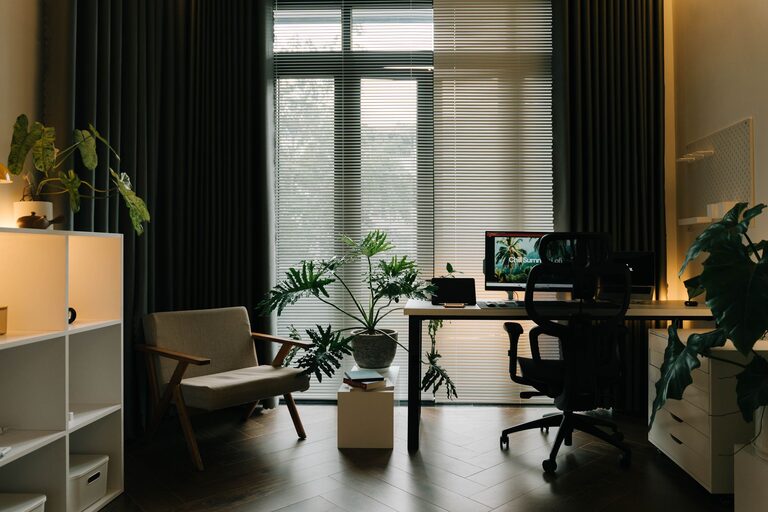
Creating a productive home office that supports both focus and comfort is essential for anyone working remotely or spending time on personal projects. A well-designed workspace can improve your workflow, reduce stress, and even boost creativity. Whether you’re setting up a dedicated room or carving out a corner in your living space, the following tips will help you create an environment where you can work efficiently and comfortably.
Choose the Right Location
The foundation of a productive home office starts with choosing a location that suits your needs.
– Quiet and Private: Pick a spot with minimal noise and distractions. This could be a spare room or a quiet corner.
– Natural Light: Whenever possible, position your desk near a window. Natural light helps reduce eye strain and improves mood.
– Away from High-Traffic Areas: Avoid placing your workspace near busy spots like the kitchen or living room to minimize interruptions.
Invest in Ergonomic Furniture
Comfort is key when spending long hours at your desk.
– Ergonomic Chair: Choose a chair that offers good lumbar support, adjustable height, and comfortable cushioning.
– Proper Desk Height: Your desk should allow you to work with your arms at a 90-degree angle to prevent strain.
– Adjustable Accessories: Consider a monitor stand to keep your screen at eye level and a keyboard tray to maintain wrist alignment.
Organize Your Workspace Effectively
Clutter can distract and hinder productivity. Keeping your office organized helps you focus better.
– Use Storage Solutions: Shelves, drawers, and filing cabinets help keep essentials tidy and accessible.
– Desk Essentials Only: Keep only frequently used items on your desk.
– Cable Management: Use cable clips, sleeves, or boxes to tidy up cords and prevent tangling.
Pay Attention to Lighting
Proper lighting can reduce fatigue and enhance concentration.
– Layered Lighting: Combine overhead lighting with task lighting such as desk lamps.
– Adjustable Brightness: Select lamps with dimmable features to control the light intensity based on the time of day or task.
– Avoid Glare: Position your monitor and light sources to minimize screen glare.
Minimize Distractions
Creating an environment that supports focus means managing potential distractions.
– Noise Control: Use noise-canceling headphones or white noise machines if ambient sounds are a problem.
– Digital Distractions: Limit social media and non-work related notifications during work hours.
– Visual Calm: Choose simple, non-distracting wall colors and decor.
Personalize Your Space
Adding personal touches can make your workspace inviting and motivate you to spend time there.
– Plants: Small plants can improve air quality and boost mood.
– Artwork: Choose calming or inspiring pieces to decorate your walls.
– Comfort Items: Include items like a cozy blanket or stress-relief tools to make your space welcoming.
Set Up Technology for Efficiency
Reliable technology is vital to a productive home office.
– High-Speed Internet: Ensure your internet connection can support video calls, cloud work, and downloads without lag.
– Quality Equipment: Use a good-quality headset, webcam, and keyboard to streamline your tasks.
– Backup Solutions: Regularly back up your work to an external drive or cloud service to prevent data loss.
Establish a Daily Routine
Even the best workspace benefits from a consistent routine.
– Regular Hours: Set specific working hours to build a habit.
– Breaks: Take short breaks every hour to stretch and rest your eyes.
– Start and End Rituals: Create rituals like a morning coffee or end-of-day planning to signal the start and close of your workday.
Keep the Air Fresh and Comfortable
Your physical comfort includes the air quality and temperature in your workspace.
– Ventilation: Open windows or use air purifiers to keep the air clean.
– Temperature Control: Maintain a comfortable temperature using fans, heaters, or air conditioning as needed.
– Humidity: Use a humidifier if the air tends to be dry, especially during winter.
Final Thoughts
Designing a home office that boosts focus and comfort doesn’t require a big budget or a lot of space. Paying attention to location, ergonomics, organization, lighting, and personalization can make a big difference in how effectively you work. Above all, tailor your workspace to your individual needs and preferences to create a productive and enjoyable environment.
With these tips, you’re well on your way to creating a home office that not only supports your work goals but also enhances your overall well-being. Happy working!