
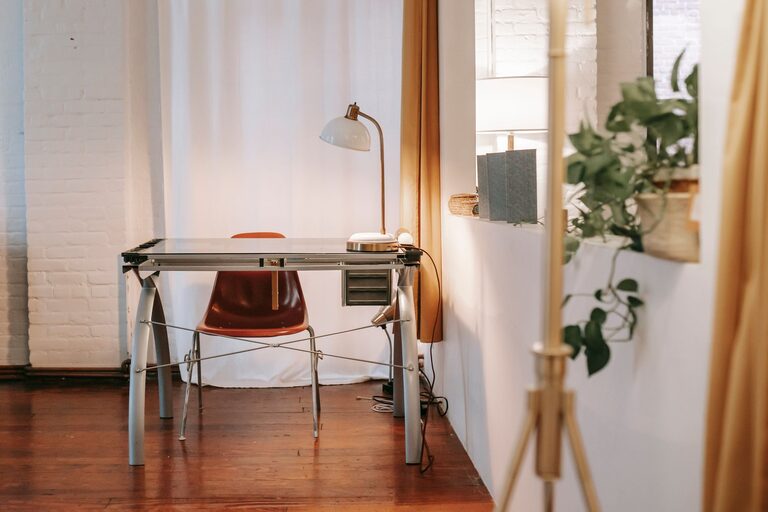
Creating a comfortable and inviting workspace at home is more important than ever. Whether you work remotely full-time or occasionally need a quiet spot for tasks, having a space that feels cozy can improve your focus, creativity, and overall well-being. Here are practical tips to help you design a home workspace that feels warm, welcoming, and productive.
Choose the Right Location
Finding the perfect spot for your workspace is the first step. Consider these factors:
– Natural Light: Position your desk near a window if possible. Natural light boosts mood and reduces eye strain.
– Privacy: Pick a quiet area with minimal distractions to help maintain focus.
– Space: Ensure there’s enough room for your essentials like a desk, chair, and storage.
Even a small nook can be transformed into a cozy workspace with thoughtful design.
Invest in a Comfortable Chair and Desk
Comfort is key when you spend hours working. Invest in:
– Ergonomic Chair: Choose a chair that supports your back and encourages good posture.
– Appropriate Desk Height: Your desk should allow your arms to rest comfortably when typing.
Comfortable furniture helps prevent discomfort and fatigue, letting you stay productive longer.
Personalize Your Space
Adding personal touches makes your workspace feel more inviting.
– Artwork and Photos: Hang inspiring artwork or photos that make you happy.
– Plants: Adding greenery brings freshness and can reduce stress.
– Decor Items: Small items like candles, a cozy blanket, or a favorite mug can add warmth.
Personal elements make the area uniquely yours and boost motivation.
Use Warm and Soothing Colors
Color influences mood and productivity:
– Opt for soft, warm tones like beige, soft blues, or gentle greens.
– Avoid harsh or overly bright colors which can be distracting.
You don’t have to repaint the entire room—consider colorful cushions, rugs, or wall art to introduce these tones.
Organize for Efficiency and Clarity
A clutter-free workspace encourages focus and efficiency.
– Storage Solutions: Use shelves, drawers, or filing cabinets to keep supplies organized.
– Desk Organizers: Keep pens, papers, and tech gadgets in designated containers.
– Cable Management: Use clips or sleeves to manage cords and prevent tangling.
Regularly decluttering your space helps maintain a peaceful environment.
Control Lighting for Comfort
Good lighting is essential for reducing eye strain and creating ambiance.
– Layered Lighting: Combine natural light with task lighting (like a desk lamp) and softer ambient lighting.
– Adjustable Lamps: Choose lamps that can be angled or dimmed based on your needs.
– Avoid Glare: Position screens and lights to prevent glare and reflections.
Proper lighting keeps your workspace comfortable throughout the day.
Add Soft Textures and Comfort Items
Soft textures make your workspace cozier and more inviting.
– Consider a rug under your desk to add warmth.
– Use a cushion or lumbar support pillow for extra comfort.
– A throw blanket can be both functional and decorative.
These small touches can make a big difference in how welcoming your workspace feels.
Minimize Noise and Distractions
Creating a quiet atmosphere helps with concentration.
– Use noise-canceling headphones or white noise machines if background noise is an issue.
– Add soft materials like rugs or curtains to absorb sound.
– Communicate with family or housemates about your working hours to minimize interruptions.
A calm environment supports better focus and productivity.
Incorporate Inspiring Elements
Keeping your motivation high is easier with inspiring touches.
– Display your goals or affirmations on a board or wall.
– Keep a notebook or vision board nearby for ideas and brainstorming.
– Play soft instrumental background music if it helps your focus.
These elements encourage creativity and a positive mindset.
—
Creating a cozy and inviting home workspace doesn’t have to be complicated. By considering these design tips—comfort, personalization, lighting, and organization—you can build a space that supports both your work and well-being. Start small, experiment with different ideas, and enjoy the process of making your workspace a place you look forward to spending time in every day.