
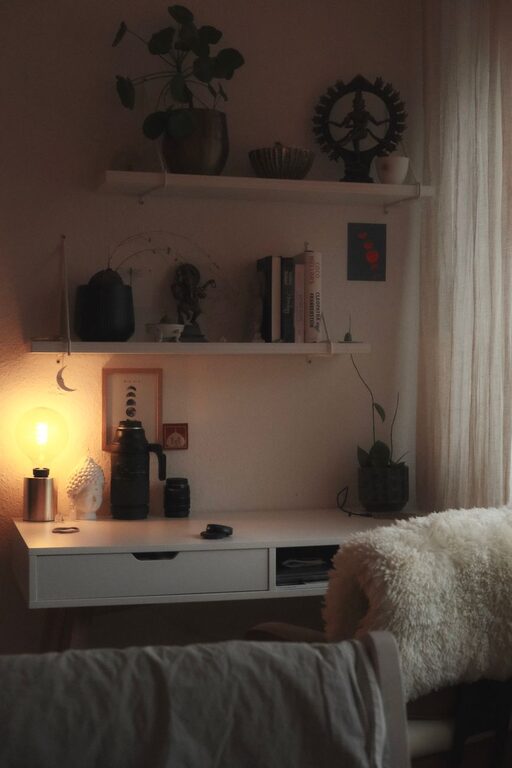
Creating a relaxing home office environment is essential for maintaining focus, productivity, and overall well-being. Whether you work full-time from home or need a dedicated space for occasional tasks, your workspace can have a significant impact on your mood and efficiency. This post will guide you through practical tips to design a calming, inviting home office that supports your work and helps reduce stress.
Why a Relaxing Home Office Matters
Many people find it challenging to separate work from personal life when working at home. A well-designed, peaceful office can help set clear boundaries, making it easier to switch into “work mode” while also fostering creativity and concentration. A relaxing space also helps prevent burnout by reducing tension and promoting comfort.
Choosing the Right Location
Consider Natural Light
Natural light plays a big role in creating a positive work environment. If possible, set up your office near a window to take advantage of daylight. Sunlight boosts mood and energy levels, helping you stay alert throughout the day.
Minimize Noise and Distractions
Pick a quiet spot in your home where you can work without constant interruptions. If that’s not possible, consider noise-canceling headphones or white noise machines to drown out background sounds.
Ergonomic and Comfortable Furniture
Invest in a Good Chair
A comfortable, supportive chair is key to preventing back pain and improving posture. Look for adjustable chairs that offer lumbar support and allow you to change your sitting position throughout the day.
Choose the Right Desk
The desk should suit your workflow and provide enough space for your computer, notes, and other tools. Adjustable or standing desks are a great option if you want flexibility and to alternate between sitting and standing.
Organize for Calm Efficiency
Declutter Regularly
Clutter can increase stress and make it harder to find what you need. Keep your workspace tidy by regularly sorting papers, filing documents, and putting away unused items.
Use Storage Solutions
Shelves, bins, and drawer organizers can keep your office neat and items within easy reach. Label storage containers to quickly identify contents and avoid unnecessary searching.
Soothing Colors and Decor
Opt for Calming Colors
Soft, muted colors like blues, greens, and neutrals create a tranquil atmosphere that promotes focus. Avoid overly bright or distracting colors in your main work area.
Personalize with Meaningful Items
Add a few personal touches such as photos, plants, or artwork that inspire you. Just be careful not to overcrowd your space; minimal decor keeps the area peaceful.
Incorporate Greenery
Plants not only brighten your office but also improve air quality and reduce stress. Easy-care indoor plants like succulents, snake plants, or pothos are perfect for home offices.
Improve Lighting
Combine Natural and Artificial Light
Use a mix of natural light and soft, layered artificial lighting. Desk lamps with adjustable brightness can make a big difference by reducing eye strain during evening hours.
Avoid Harsh Overhead Lighting
Bright fluorescent lights can be tiring to the eyes. Instead, choose warm-toned LED bulbs for a more comfortable ambiance.
Establish Routine and Boundaries
Set Work Hours
Define clear start and end times for your workday. Sticking to a schedule helps maintain work-life balance and keeps your home office from blending into all-day home activities.
Create a Pre-Work Ritual
Starting your day with a simple routine—like making coffee or stretching—can signal your brain to prepare for focused work.
Take Breaks and Move Around
Even in a relaxing space, it’s important to pause regularly. Stand up, stretch, or take a quick walk to refresh your mind and body.
Manage Technology Wisely
Use Cable Management
Messy cords can create visual clutter and distract you. Cable organizers or clips help keep wires neat and prevent tangling.
Limit Notifications
Turn off unnecessary notifications or use “do not disturb” modes while working to stay focused.
Air Quality and Temperature
Maintain good air quality by opening windows when possible or using air purifiers. Keep the room temperature comfortable—not too hot or cold—to avoid discomfort during long work periods.
—
By paying attention to these elements, you can create a home office environment that not only supports productivity but also keeps you calm and comfortable throughout your workday. Making your workspace a relaxing place is a worthwhile investment in your health and success.